
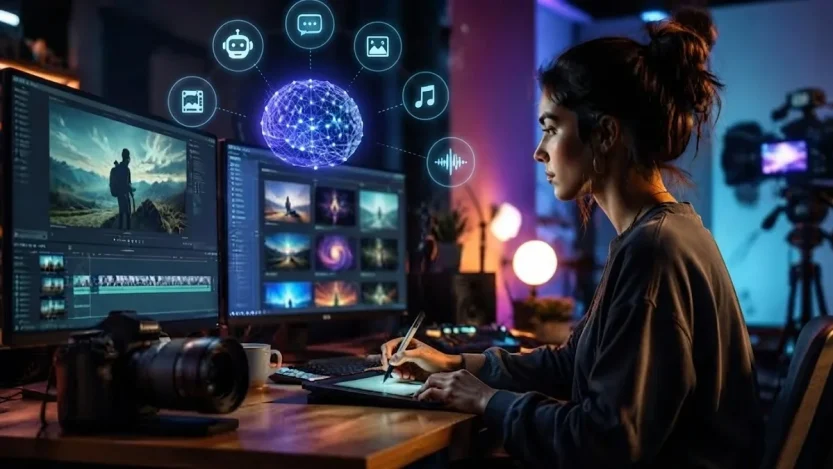
Back in the old days, making visuals required a long list of skills. Someone starting out as a creator may need to ideate or brainstorm, source images, shoot video footage, edit clips, draft captions and create multiple versions across platforms. Presently, on artificial intelligence is reshaping multiple aspects of this procedure.
Human creativity will still be needed even with all that AI cannot do. But it can also be a tool to help creators get from an idea to a first draft you can actually use faster. This is especially helpful if you are a blogger, social media creator, marketer, small business owner or anyone who needs an update of new visual content regularly.
From an Idea to a Visual Concept
Arguably the biggest shift AI offers is turning a short description into a visual foundation.
For instance say you a small business owner looking to promote your new coffee. This saves creators hours of searching for visual references and testing AI tools. They can simply describe a scene and explore different visual directions.
An AI image generator can be useful when creators need visual ideas for social posts, blog graphics, campaign concepts, or other digital projects. The important point is that the generated image should be treated as a starting point rather than an automatic final answer.
Let creators read that output, let them modify it a bit if smth does not feel correct and then see if that’s the type of message they are trying to convey in any case!
AI Is Also Changing Video Workflows
In this age of content, images are just one aspect of a vast pool. At the same time, video has become as indispensable as written messages regarding social media, websites and advertising and learning content.
CapCut × Codex is built around a video workflow using AI where creators provide video clips and describe their organization-details. This workflow might allow you to find good moments, cut the fat, organize footage and prepare an editable rough-cut.
This comes in handy when a creator has multiple segments but does not want to go through each second manually before getting into the editing phase.
The outcome remains as a raw edit, which permits the author to see the layout and decide how to best approaching sound, pace, images, captions and other imaging decisions.
Why Human Creativity Still Matters
It may be easier to believe that AI can make it all automatically. In actuality, the end result will still be mostly wielded by the hand of a person using this tool.
They can come up with alternatives and structure information, completing the tedious tasks quickly. That said, ultimately a human decides if the image gets its message across, sounds natural in video or resonates with the target audience of the final product.
For example, a restaurant might want a promo video you created to have an open and warm feel. An example of a Magi-created result could seem well-designed but has no relevance to how the restaurant is operating. Human oversight is needed to keep content refreshed and real.

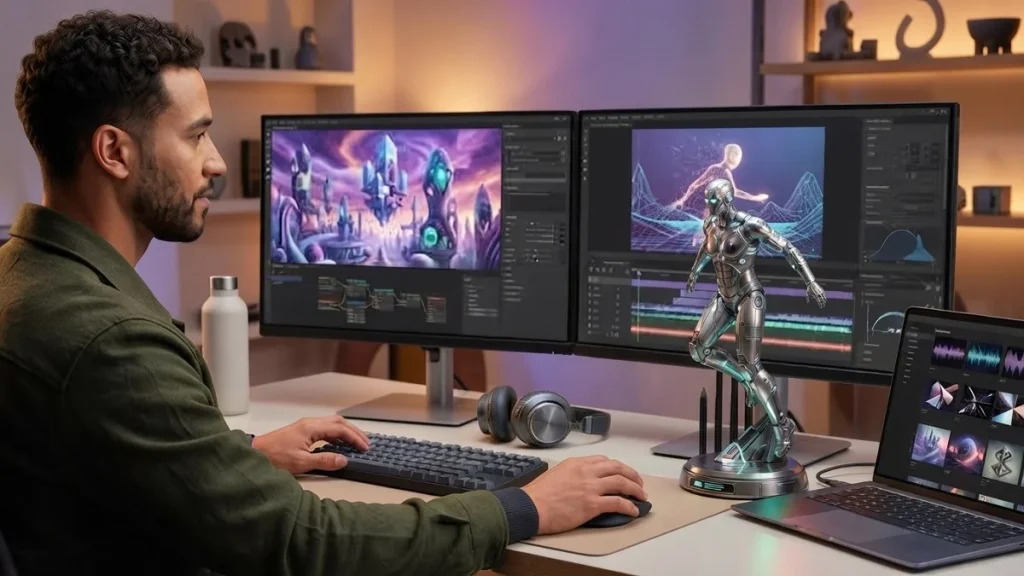
Faster Content Creation for Beginners
AI-powered tools can also reduce the content creation barrier for beginner publishers.
For a person who never used editing on a video, it is difficult enough where to start with 400 clips. A workflow assists to hash out footage in the first draft.
CapCut describes its workflow as useful for different types of creators, including beginners, template-led creators, high-volume creators, teams, and people exploring creative concepts.
This does not mean beginners should accept the first result without reviewing it. Learning how to edit, select good visuals, write useful prompts, and understand an audience remains valuable.
Better Content Comes From Better Direction
The growing number of AI tools makes one thing increasingly important: knowing what you want to create.
A vague idea usually produces a vague result. A clear brief can give an AI tool much more useful direction.
Before generating an image or preparing a video, creators can think about a few basic questions:
What is the purpose of the content?
Who is going to see it?
What feeling should it create?
What information should it communicate?
Where will it be published?
Answering these questions first can make the creative process much more focused.
The Future of AI-Assisted Creativity
No longer is it that AI-assisted content creation replaces a single creative tool, as much as it ties together stages of a workflow.
A creator might come with an idea and visual reference, then source the video footage, craft a rough cut, include captions, then do it all by hand! A prime example of the latter is CapCut × Codex — it frames AI assistance as planning, drafting and repeatable setting up, with the final creative call for users.
That approach can make the creative process faster without making it completely automatic.
This makes AI perhaps most useful as a creative assistant. It can help people overcome starting with a blank page, explore what might fit or work well together, structure large amounts of material, and move towards a working first draft more quickly.
At the end of the day, technology gives you the tools, but it is the creator that gives purpose, judgment and personality to turn those tools into content.