
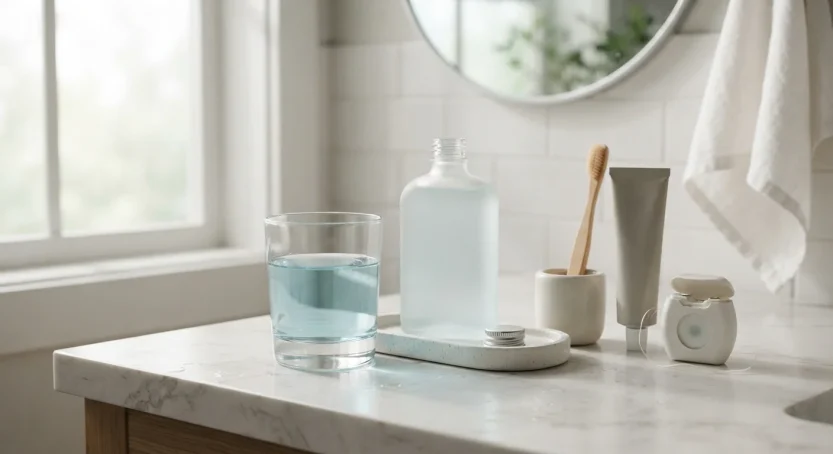
There is no single best mouthwash for everyone. The right one depends on what you need most fresher breath, better gum support, cavity protection, or something gentler for a dry or sensitive mouth. Mouthwash can help with certain goals when used alongside brushing and cleaning between your teeth, but it does not replace those steps or professional dental care.
What Is the Best Mouthwash?
The best mouthwash is the one that matches your specific oral-health goal and that you will actually use consistently. Look for products with the American Dental Association (ADA) Seal of Acceptance when possible. That seal means the manufacturer has provided evidence the product is safe and effective for the claim on the label.
A therapeutic mouthwash (one with active ingredients) can help reduce plaque, control early gum inflammation, lower cavity risk, or manage odor-causing bacteria. A purely cosmetic rinse mainly masks smells temporarily and offers little lasting benefit. Many people do fine without any mouthwash if they brush with fluoride toothpaste twice a day and clean between their teeth daily. Others benefit from adding one, especially if they have a higher risk of cavities, gum issues, or persistent bad breath.
What Does Mouthwash Actually Do?
Mouthwash reaches places a toothbrush may miss, such as between teeth and along the gumline. Therapeutic formulas can reduce the bacteria that form plaque, help control gingivitis (early gum inflammation), deliver fluoride to strengthen enamel, or neutralize compounds that cause bad breath.
It cannot remove hardened tartar, reverse advanced gum disease, or fix cavities. Those require professional cleaning or treatment. The ADA notes that mouthrinses may offer additional benefit when combined with daily brushing and flossing, but they do not take the place of those habits.
Best Mouthwash by Oral-Care Goal
Mouthwash for fresh breath
Bad breath often comes from bacteria on the tongue, between teeth, or along the gums that produce sulfur compounds. Cosmetic rinses give a short-term minty effect. Therapeutic ones with ingredients such as cetylpyridinium chloride (CPC), chlorine dioxide, or essential oils can help reduce the bacteria involved. Persistent bad breath that does not improve with better cleaning may signal gum disease, dry mouth, or another issue that needs a dental check.
Mouthwash for healthy gums
Antimicrobial rinses containing essential oils (eucalyptol, menthol, thymol, methyl salicylate) or CPC have evidence for helping reduce plaque and gingivitis when used with brushing and interdental cleaning. Prescription chlorhexidine is stronger and typically used short-term under dental guidance because long-term use can stain teeth and alter taste. Look for an ADA Seal product that specifically claims to help prevent or reduce gingivitis and plaque above the gumline.
Fluoride mouthwash for cavity protection
Fluoride helps strengthen enamel and make teeth more resistant to acid. Over-the-counter fluoride rinses (often around 0.05% sodium fluoride) can add protection for people at higher cavity risk those with dry mouth, a history of frequent cavities, orthodontic appliances, or limited ability to clean thoroughly. The NHS and similar guidance recommend using fluoride mouthwash at a different time from brushing so the fluoride from toothpaste is not diluted. Spit after use and avoid eating or drinking for about 30 minutes.
Alcohol-free mouthwash
Alcohol is not the active ingredient that fights bacteria or strengthens teeth; it mainly acts as a solvent and preservative. Some people prefer alcohol-free versions because alcohol can sting or dry the mouth further. This option suits those with dry mouth, sensitivity, or a preference to avoid alcohol for any reason. Effectiveness still depends on the other active ingredients present.
Antibacterial or antimicrobial mouthwash
These target bacteria linked to plaque, gingivitis, and odor. Common actives include CPC, essential oils, and (by prescription) chlorhexidine. They work best as an addition to mechanical cleaning, not as a substitute. Some people notice mild staining or temporary taste changes with stronger formulas.
These categories often overlap. A single product may contain fluoride plus an antimicrobial agent. Always read the label for the specific claims and active ingredients.
What Ingredients Should You Look For?
- Fluoride (usually sodium fluoride): Supports enamel strength and cavity prevention.
- Cetylpyridinium chloride (CPC): Helps reduce plaque and bacteria linked to bad breath and early gum issues.
- Essential oils (eucalyptol, menthol, thymol, methyl salicylate): Support plaque and gingivitis control in certain formulas.
- Chlorine dioxide or similar oxygenating agents: Often used in breath-focused rinses to neutralize odor compounds.
- Xylitol: Sometimes included; it can support a less cavity-friendly environment in the mouth.
Prefer products that state clear, evidence-supported claims and carry the ADA Seal when available.
What Ingredients Should You Be Careful With?
Alcohol can irritate or dry sensitive tissues. Strong antiseptics such as chlorhexidine are usually reserved for short courses under dental advice because of staining and taste changes. Some people react to flavorings, dyes, or other additives. If you have dry mouth, ongoing sensitivity, or a medical condition affecting the mouth, ask a dentist or pharmacist which formula suits you. Children under 6 should generally avoid mouthwash unless a dentist specifically recommends one, because they may swallow it.
How to Choose the Right Mouthwash
Start with your main concern:
- Frequent cavities or high risk → fluoride rinse.
- Bleeding or puffy gums → antimicrobial rinse with evidence for plaque/gingivitis reduction.
- Persistent bad breath → breath-focused therapeutic formula plus better tongue and interdental cleaning.
- Dry mouth or sensitivity → alcohol-free option, possibly one designed for dryness.
- General daily support → an ADA Seal product that matches your needs.
Check the label for active ingredients and directions. If you already brush and clean between teeth thoroughly and have no specific problems, mouthwash is optional.
How to Use Mouthwash Correctly
Follow the product label for amount and time (often about 20 ml swished for 30–60 seconds). Spit it out; do not swallow. Do not rinse with water afterward if you want the active ingredients to stay longer.
Many sources, including NHS advice, recommend using fluoride mouthwash at a different time of day from brushing (for example after lunch) so the concentrated fluoride from toothpaste remains on the teeth. For some antimicrobial rinses, using them after cleaning can help them reach cleaner surfaces. Consistency matters more than perfect timing. Avoid eating or drinking for 30 minutes after a fluoride rinse when the label advises it.
Can Mouthwash Replace Brushing or Flossing?
No. Brushing with fluoride toothpaste removes plaque mechanically and delivers a higher concentration of fluoride. Flossing or interdental cleaning removes debris and plaque from between teeth where a rinse cannot fully substitute. Mouthwash supports these habits; it does not replace them. The ADA is clear on this point.
Common Mouthwash Mistakes
Using it right after brushing and immediately rinsing with water can dilute the fluoride left by toothpaste. Relying on mouthwash alone while skipping flossing or thorough brushing leaves plaque in place. Swallowing the product is unsafe. Expecting a cosmetic rinse to treat gum disease or cavities leads to disappointment. Overusing strong prescription formulas without guidance can cause side effects.
When Should You See a Dentist?
Mouthwash can mask symptoms temporarily. See a dentist if you have persistent bad breath, bleeding gums that do not improve with better cleaning, swelling, tooth pain, loose teeth, white or red patches, dry mouth that interferes with speaking or eating, or any sudden changes. These may need professional evaluation and treatment rather than more rinses.
Frequently Asked Questions
Is mouthwash necessary?
Not for everyone. Good brushing and interdental cleaning form the foundation. Mouthwash can add benefit for specific goals or higher-risk situations.
How often should you use mouthwash?
Usually once or twice a day as directed on the label. More is not better and can irritate tissues.
Should you use mouthwash before or after brushing?
For fluoride rinses, a different time of day is often preferred so toothpaste fluoride stays on the teeth. Some antimicrobial rinses work well after cleaning. Follow the product directions and your dentist’s advice.
Does alcohol-free mouthwash work as well?
Yes, when it contains the same effective active ingredients. Alcohol itself is not the therapeutic agent.
Can mouthwash help with gum disease?
It can help reduce plaque and early gingivitis when used with brushing and interdental cleaning. Advanced gum disease needs professional care.
Is fluoride mouthwash safe?
Yes for most adults and older children when used as directed and not swallowed. It adds protection against cavities.
What about whitening mouthwashes?
They may offer mild surface effects at best. They are not a substitute for professional whitening or good daily care.
Can children use mouthwash?
Generally not under age 6 unless a dentist directs it, because of the risk of swallowing.
Does mouthwash expire?
Yes. Check the bottle and discard if past the date or if the liquid looks or smells unusual.
Should I rinse with water after mouthwash?
Usually no. Spitting is enough so the active ingredients can continue working.
Final Takeaway
Choose a mouthwash based on your actual needs fluoride for cavity risk, an antimicrobial formula for plaque and early gum concerns, or a gentler alcohol-free option for comfort and use it as a support to thorough brushing and cleaning between teeth. Look for clear active ingredients and, when possible, the ADA Seal. Persistent symptoms such as bleeding gums, ongoing bad breath, or pain are reasons to see a dentist rather than simply reaching for another bottle. Mouthwash helps when it fits your routine; it does not replace the basics or professional care.
This information is for general educational purposes and is not a substitute for personalized advice from a qualified dental professional.