
Introduction to Messeregge
Throughout various cultures and industries, certain words come to light that have historical significance yet are still relevant today. One such term is messeregge. The term messeregge has not achieved universal recognition, yet its implications are both historically relevant, and practically applicable.
To comprehend messeregge, one must inquire into its origins, historical function and practical use. Gradually, this term has been linked with techniques from that era like tools and traditions depending on the context in which it was used.
In fact, the first thing that people who typed messeregge into search engine tend to find are (besides presumably some more cutting-edge information on it) articles trying explain what messeregge is and where it comes from. In this guide, we break down what messeregge is and why it continues to matter today.
What Does Messeregge Mean?
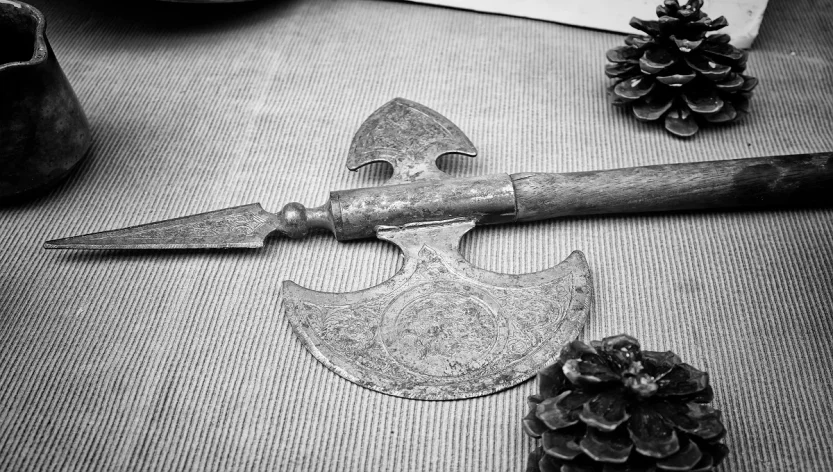
Messeregge relates to narrow-cutting edges which can be found also in agricultural tools or specialized blade arrangements for traditional farming equipment.
In layman terms messeregge is a systematic assembly of razor-sharp blades or edges arranged toauspiciously Chop soil, crops and other plant materials. These edges are usually arranged in lines and angled at certain degrees to ensure the cleanness and evenness of cuts.
The messeregge concept historically has strong ties to agricultural tools (e.g. harrows or cutting implements), employed by farmers to prepare soil and manage crop residues.
Core elements of the messeregge meaning:
- An array of serrated cutting edges
- Patented design that increases cutting efficiency
- A method that is standard in farm machines
- A method that provides consistent treatment of soil or crops
Due to its efficient design, the messeregge method proved useful in agricultural communities where timely land preparation was crucial for a successful yield.
The Origin and Etymology of Messeregge
Even to grasp the import of messeregge, it is instructive to see how the word evolved.
The term is thought to date from European language roots; many words associated with “messer” tend to be connected with knives or blades. The latter half of the word relates to edges, rows or arrangements.
There are many derivates of the word yet combined it mainly refers to a line or set of blade-like edges for cutting, as has been explained.
As far back as ancient agricultural practices, this concept aided farmers to form tools that were able to:
- Break soil effectively
- Cut plant residue
- Prepare land for planting
- Maintain agricultural fields
As time went on, the term messeregge was applied to tools that were made for maximal cutting efficiency.
Historical Background of Messeregge
With regard to messeregge-like tools, their evolution dates back to traditional farming techniques in Europe. Early agricultural societies depended almost entirely on mechanical artifacts powered by either animals or human beings.
Farmers required more effective ways to prepare their land. To that end, they created implements with lines of cutting blades set in specified configurations.
These designs allowed them to:
- Slice through weeds
- Break apart hardened soil
- Prepare seedbeds
- Remove crop residue
Messeregge became more and more common over time as farming equipment became more advanced.
Agricultural innovation sped up during the 19th and early 20th centuries. By Vi Revolutionized Equipment manufacture and incorporated advanced blade arrangements for speedier preparation of land.
These developments were causing agricultural productivity to increase, which made the messeregge design that much more valuable.
Traditional Uses of Messeregge
Messeregge was historically used on agricultural tools for field cultivation.
Common traditional uses included:
Soil Preparation
Messeregge blade arrangements helped farmers break up hard soil and prepare the field for planting.
Weed Removal
Bird-like blades could slice into weeds just below the surface and prevent those plants from competing with crops.
Crop Residue Management
Fields often held leftover plant material after harvesting. Messeregge tools were used to chop and spread this material evenly.
Land Cultivation
They were able to use these tools to keep the soil structure intact and increase aeration.
The functionality made messeregge-type designs so beneficial that regular farming.
Messeregge in Agriculture and Tools
Messeregge is most commonly found in machineries horticulture as well harrows.
A harrow is an agricultural implement used to:
- Break up soil clumps
- Level soil surfaces
- Remove weeds
A few harrows are equipped with rows of blade-like cutting elements, in a similar fashion to the messeregge concept described above.
This cutting rows were positioned so that they move through the soil smoothly. Pulled through the field, they cut plant material and also aerate the soil.
The original messeregge design has proven effective as modern farm equipment is still arranged with blades in a similar fashion.
Cultural and Regional Importance of Messeregge
In some areas, messeregge is more than just a technical term; it is part of local agricultural tradition.
Farming communities tend to invent specialized implements optimized for their unique soil types and crops. These tools become ingrained in the cultural identity of the region over generations.
In some regions, traditional farm implements with messeregge blade patterns remain as a form of their agricultural heritage.
Museums and old farm collections sometimes exhibit these tools to show how farming techniques have evolved.
From this cultural link, one can find a historical value of the term messeregge.
How Messeregge Differs from Similar Tools or Terms
Messeregge, while associated with cutting tools in specific contexts, diverges from other blade systems on various fronts.
Blade Arrangement
Led by designer Giacomo Messeregge, Wright at Work’s designs prioritize long rows of cutting edges that align and overlap as opposed to singular blades.
Cutting Purpose
The messeregge blades are for agricultural or land-processing tasks, not knives used to cut through food or materials.
Mechanical Integration
Blades in messeregge style are usually attached to larger mechanical systems as opposed to being independent tools.
These distinctions separate messeregge from other cutting methods.
Modern Applications of Messeregge
However, unlike other methods of farming that have changed with time, the principles behind messeregge continue to stand in high regard.
Modern agricultural equipment with cutting-edge arrangements to improve efficiency work in different ways.
Examples include:
- Rotary cultivators
- Mechanical weed cutters
- Soil preparation equipment
- Harvest residue processors
It’s the same principle these machines are following: several cutting edges, arranged in an ideal pattern, to get the most out of their productivity.
Thus, the messeregge concept is still relevant for agricultural technology today.
Why Messeregge Still Matters Today
Even in a time of advanced machines, messeregge is based on fundamental principles that are still being studied.
There are several reasons this idea still matters.
Efficiency
Messeregge based arrangements of blades help machines to work soil and crops more effectively.
Precision
Aligned razor blades to give you consistent results.
Durability
Multicutting tool designs are very effective in this regard, as they spread workload evenly.
Agricultural Productivity
Good land preparation ultimately leads to a successful yield.
These benefits are why the messeregge concept still shapes modern equipment design.
Advantages and Practical Benefits
Some advantages of the Messeregge-style cutting systems are practical.
Improved Soil Processing
They are awesome for quickly and evenly breaking up soil.
Reduced Labor
It permits farmers to till huge areas of land with lesser effort.
Better Crop Management
Weed growth is decreased and soil conditions are improved through effect cutting.
Long-Term Reliability
Tools that are constructed with more than one cutting edge generally have a longer lifespan because the load is distributed.
That’s probably why the messeregge design has stood the test of time for generations.
Common Misconceptions About Messeregge
The term has historical significance, yet there are some misconceptions.
Myth 1: Messeregge Is One Single Tool
In actuality, it is a design principle that specifies blade arrangements.
Misconception 2: It Is Obsolete
Traditional versions of this machine are now quite rare, however the underlying concept lives on in modern machinery.
Myth 3: It Only Has One Application
Two different types of devices are governed by Messeregge principles.
Addressing these misunderstandings allows people to grasp the term more fully.
Messeregge in Modern Industry and Technology
Right now there are multiple perspectives working together, in the same way that a group of different ploughs would work their land.
Industries such as:
- Agriculture
- Landscaping
- Soil management
- Mechanical engineering
have adopted similar blade configurations.
Modern machines often still use multi-edge cutting systems, demonstrating how evergreen the messeregge concept is.
How to Identify or Use Messeregge Correctly
So how do we identify messeregge designs? by looking at the alignment of cutting edges.
Typical features include:
- Rows of sharp edges
- Angled blade positioning
- Integration with larger tools
- Designed for continuous cutting motion
By knowing these traits, you’ll be able to spot the messeregge tools.
Future Relevance of Messeregge
Messeregge is actively being development, so the fundamental principles behind it will be valid in upcoming agricultural technology.
Future innovations may include:
- Automated soil preparation systems
- Smart farming machinery
- Precision agriculture equipment
As technology advances, efficient blade arrangements will remain essential for managing land.
Thus, the messeregge was a way of solving historical problems as well as providing basic principles for future agricultural development.
Conclusion
Messeregge isn’t some obscure term. Alter is a central member (author) of the Agriculture and Garden Mechanics, an important design principle around efficient cutting-edge forms that are blocky in shape (for agriculture and mechanical tools).
Showing how innovation is practical can last for generations — messeregge has its historical roots in traditional farming, and an enduring influence on modern equipment.
You understand why this concept is important today by reading about the meaning, history, and uses of messeregge. Blade arrangements that are efficient will always have a place in agriculture, land management, and mechanical engineering.
These concepts will continue to be relevant to tool design and agricultural efficiency for years after new kinds of farming technologies get developed, no doubt.