
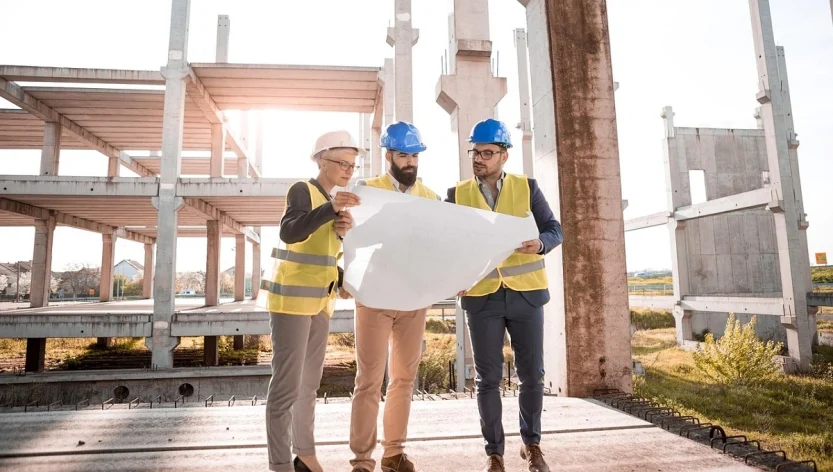
Modern construction management is experiencing rapid transformation as new project delivery methods emerge to drive efficiency, collaboration, and sustainability. Adapting to these advances is no longer optional for firms aiming to stay competitive and deliver results that meet evolving market expectations. Today, established models such as Design-Build and CMAR & Construction Management Services are joined by digital tools, modular techniques, and sustainable frameworks, promising even more integration and innovation. For organizations seeking to keep pace, understanding these shifts is essential, and partnering with professionals skilled in contemporary delivery models is a smart move.
As owners and developers demand projects that are faster, smarter, and more resilient, the industry’s landscape is being reshaped by new expectations around transparency and environmental impact. This is why project delivery methods that wholeheartedly embrace digital technology and sustainability are leading the field. From early-life collaboration to AI-driven automation and streamlined modular construction, these changes are revolutionizing how construction professionals approach their work.
Design-Build: A Collaborative Approach Redefined
The Design-Build (DB) delivery model has become a cornerstone for organizations aiming to complete projects on time and within budget. Unlike the traditional Design-Bid-Build method, DB integrates architecture, engineering, and construction teams from project inception.
This minimizes communication gaps and enables concurrent work streams, speeding up delivery by as much as 60 percent while significantly lowering costs. The industry has observed that projects led by integrated teams experience fewer change orders, more predictable outcomes, and greater stakeholder satisfaction.
Embracing Digital Tools and Technologies
Digital transformation stands as one of the most powerful shifts in today’s construction industry. Building Information Modeling (BIM) enables the creation of robust digital twins, where every physical and functional aspect of a structure can be scrutinized before ground is even broken. These platforms facilitate error reduction and streamline coordination by improving information flow among all parties. Integrated Digital Delivery (IDD) builds on this foundation by embedding technology throughout the project lifecycle, from planning through turnover and operation. When implemented with best practices, digital delivery can shorten project schedules and raise the standard of work.
A recent study highlighted that about 75 percent of large-scale projects now use at least one form of digital modeling, recognizing the efficiencies it brings to the complex communications and logistical challenges of construction.
Artificial Intelligence and Automation: New Frontiers
Artificial Intelligence and automation are bridging significant talent gaps while providing a powerful boost to productivity and risk mitigation. AI-powered progress monitoring uses drones and advanced cameras to deliver up-to-the-minute site insights and enable managers to adjust schedules in real time. Beyond productivity, smart systems improve safety through predictive analytics, identifying potential hazards before they become incidents.
Studies have shown that AI can reduce delays by up to 50 percent and help prevent worksite injuries by one-quarter, shifting project outcomes toward unprecedented reliability and security. Analytics are projected to become even more advanced, processing larger data sets as technology continues to mature.
Prefabrication and Modular Construction: Speed and Consistency
Prefabrication and modular construction act as catalysts for accelerated project delivery and reduced risk. By manufacturing entire sections or modules in off-site, controlled environments, construction firms can avoid many on-site delays associated with weather, labor shortages, or supply chain interruptions.
Companies such as Mighty Buildings have shown that entire homes can be prefabricated and installed in just weeks rather than several months, offering a solution to pressing housing needs and rapidly growing urban centers. The increased consistency in quality and reduction in waste also support long-term cost savings for project owners.
Sustainability and Integrated Delivery
Today’s construction projects face growing regulatory and societal pressure to meet ambitious sustainability goals. Integrated project delivery models now employ life-cycle assessment tools, carbon tracking, and advanced analytics to guide decisions throughout each phase. The coordination of sustainability frameworks is not only about environmental compliance but also about adding value for clients and communities. By incorporating energy-efficient materials and carbon-smart design, construction projects contribute to the broader movement for responsible development.
Final Thoughts
The future of project delivery methods in construction management lies in the effective blend of collaborative frameworks, digitalization, automation, streamlined modular practices, and robust sustainability agendas.
Construction professionals who embrace these innovations are best positioned to achieve competitive advantage, realize cost savings, and deliver projects that are both high-quality and future-ready. Examining and adopting these best practices will be critical for stakeholders seeking to anticipate and respond to the constant evolution of the industry.
Read More: Gaymetu e: Explain Digital Gaming, Branding & Expert Potential