
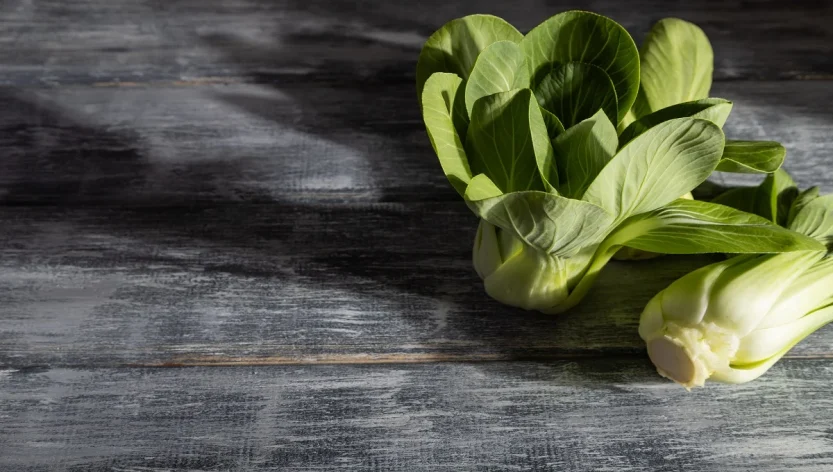
Visualize a verdant green vegetable that snaps with vigorous crunch in each mouthful, cooks in mere minutes and is a powerhouse of nutrients while tasting lightly sweet and earthy. That’s Yalla Choy — a modest but supercharged green that has sustained families throughout Asia for centuries and is now quietly gaining worldwide momentum for its versatility, flavor, and remarkable health benefits. If you’re new to Asian greens or have been cooking with them for years, refer to this ultimate guide for everything you need to know.
From its intriguing name and deep-rooted origins to simple home recipes and science-backed benefits, we’re diving into why Yalla Choy deserves a regular space in your kitchen. By the time you finish, you’ll be ready to shop for it and cook it like a pro, not to mention grow it yourself. So, let’s dive right in – yalla, as they say!
Table of Contents
- What Is Yalla Choy? Meaning and Etymology
- Origin and Historical Significance
- Nutritional Profile of Yalla Choy
- Proven Health Benefits of Yalla Choy
- How to Select, Store, and Prepare Yalla Choy
- Delicious Yalla Choy Recipes (Step-by-Step)
- Growing Your Own Yalla Choy at Home
- Cultural Significance and Modern Uses
- Potential Side Effects and Safety Tips
- Frequently Asked Questions (FAQs) Conclusion
1. What Is Yalla Choy? Meaning and Etymology
Ipomoea is a genus of flowering plants and the most commonly known species within this group is Ipomoea aquatica, also called yalla choy, which belongs to the morning glory (Convolvulaceae) family. It’s also commonly called water spinach, river spinach, kangkong (in the Philippines, Malaysia and Indonesia), ong choy (Cantonese) or kong xin cai (Mandarin for “empty heart vegetable”) — rau muong in Vietnam; phak bung in Thailand.
The name “Yalla Choy” is itself a fresh, snappy fusion. “Yalla” echoes the Arabic exclamation for “let’s go” or “hurry up,” suggesting energy and excitement — appropriate, for a fast-growing plant that grows almost anywhere warm and wet. “Choy” is a playful take on Cantonese “choy” (vegetable), as in ong choy. Combined, it makes for an accessible and memorable brand for this ancient green that feels fresh and welcoming in today’s wellness-oriented universe.
In appearance, Yalla Choy has long, hollow stems (the “empty heart” that gives it its Mandarin name) and arrowhead-shaped, glossy dark-green leaves. The hollow stems have a crunchy snap, while the leaves wilt to a tender, mildly nutty bite. Unlike regular spinach, it has a mild sweetness and less bitterness that makes it very versatile for stir-fries, soups, salads and more.
It also grows quickly in ponds, rice paddies, or wet soil – so it’s typically harvestable within 4–6 weeks. This versatility made it a go-to “survival vegetable” in hard times and a daily hero of tropical kitchens today.
2. Origin and Historical Significance
The history of Yalla Choy dates back more than 2,000 years to the tropical zones of Southeast Asia and southern China. Phylogenetic studies and ancient texts suggest domestication in the humid, water-rich belt where it thrived with rice cultivation. The oldest known written reference dates back to 304 AD during China’s Jin Dynasty, at which time it was lauded as a dependable crop in waterlogged terrain.
It spread to Southeast Asia from China via trade, migration and agriculture. In Vietnam, rau muong became part of folklore and daily meals. Kangkung was elevated in Indonesian and Malaysian kitchens with bold seasonings such as belacan (shrimp paste). It shows up in sinigang soups and adobo dishes there. Its leaves were used in Ayurvedic traditions of India and Sri Lanka for digestive and detox support.
Colonial commerce, plus Asian diasporas, landed it in Africa, the Pacific Islands and Hawaii — and eventually the Americas. These days, you’ll find it in ethnic markets around the globe, from busy bazaars in Karachi to supermarkets in California. Its hardiness — it can be found growing wild in ditches or farmed in ponds — has led to its designation as a “famine food,” but today’s chefs tout it as a superfood.
3. Nutritional Profile of Yalla Choy
Yalla Choy is a low-calorie, nutrient-dense champion. Here’s a breakdown per 100g of raw leaves and stems (approximate values based on reliable nutritional data):
| Nutrient | Amount per 100g | % Daily Value (approx.) | Key Benefit |
| Calories | 19 kcal | 1% | Weight-friendly |
| Protein | 2.6g | 5% | Muscle repair |
| Dietary Fiber | 2.5–3g | 10% | Digestion & gut health |
| Vitamin A | 2,000–6,300 IU | 100–200%+ | Vision & immunity |
| Vitamin C | 45–55 mg | 50–60% | Antioxidant & skin health |
| Vitamin K | High | 200%+ | Bone health & blood clotting |
| Calcium | 80–120 mg | 8–12% | Strong bones |
| Iron | 1.5–2.5 mg | 10–15% | Energy & anemia prevention |
| Potassium | 300–350 mg | 8–10% | Heart & blood pressure support |
| Magnesium | Present | – | Nerve & muscle function |
| Antioxidants (flavonoids, carotenoids) | High | – | Fight inflammation & oxidative stress |
It’s also a source of B vitamins, manganese, phosphorus and plant compounds such as polyphenols and β-carotene. It’s high water content (more than 90 percent) helps keep you hydrated, and its fiber promotes stable blood sugar.
Compared with spinach or kale, Yalla Choy cooks faster, stays crunchier and has a milder taste that lends itself beautifully to zesty Asian seasoning.
4. Proven Health Benefits of Yalla Choy
Yalla Choy is more than delicious — it’s a functional food with centuries’ worth of traditional use now backed up by modern scientific research.
Immunity and Vision Support
Rich in vitamin A (as beta-carotene) and vitamin C, it bolsters immune defenses and protects the eyes. Routine consumption can help lower infection risk and promote eye health in populations that are deficient in vitamin A.
Bone Health and Blood Health
Calcium and vitamin K, iron do double duty for strong bones and red blood cell production. It’s particularly good for helping to stave off anemia and maintain bone density, which is especially useful in women and older adults.
Digestion and Gut Health
High fiber encourages regular bowel movements, nourishes healthy gut bacteria and helps with weight control by increasing feelings of fullness. Traditional Ayurvedic use emphasizes its cooling, detoxifying effects on the digestive system.
Antioxidant and Anti-Inflammatory Power
Polyphenols, flavonoids and other phytonutrients fight free radicals. Lab studies suggest anti-diabetic effects (blood sugar regulation), liver protection, and even some anti-cancer properties (eg., apoptosis induction in certain cell lines).
Heart Health and Weight Management
Potassium helps maintain healthy blood pressure; its low calories and fiber promote good cholesterol and stable energy. Its place in traditional diets in times of scarcity speaks to its nutrition-efficient, low-stakes nature as a food.
Additional Traditional and Emerging Benefits
Extracts have been used in Ayurveda and folk medicine for jaundice, diabetes support, and skin health. Novel studies are investigating its genoprotective, anti-bacterial, and antidepressant-like compounds. It’s also researched for phytoremediation (water cleanup), but this emphasizes the need for clean sourcing.
All in all, adding Yalla Choy 2–3 times a week could complement a meaningful balanced, anti-inflammatory diet.
5. How to Select, Store, and Prepare Yalla Choy
Selecting
Seek bright green leaves, firm but supple hollow stems and no yellowing or sliminess. Do not buy bunches with flowers (they will be bruised and bitter).
Storing
Gently rinse, pat dry, wrap in a paper towel or clean cloth and store in a perforated bag in the fridge crisper for up to 5–7 days. Use quickly for best texture.
Preparing
Remove stems and leaves (stems take a little bit longer to cook). Wash well in cold water – changing the water 2–3 times to remove grit. Stems shouldn’t be peeled, too; the hollow stems cook through consistently.
Pro tip: Cook quickly, at high heat, to keep crunch and nutrients.
6. Delicious Yalla Choy Recipes (Step by Step)
Yalla Choy can be prepared in several ways depending on personal taste and available ingredients. While the core concept remains the same—fresh vegetables, aromatic spices, and quick cooking—different variations allow cooks to experiment with flavor and texture.
Below are some of the most popular and easy Yalla Choy recipes you can try at home.
Classic Yalla Choy Stir-Fry
The classic stir-fry version is the most common preparation method. It focuses on fresh vegetables and simple seasoning.
Ingredients
- 2 cups chopped bok choy or leafy greens
- 1 tablespoon sesame oil
- 2 cloves garlic (minced)
- 1 teaspoon grated ginger
- 1 tablespoon soy sauce
- Salt and pepper to taste
Instructions
- Heat sesame oil in a wok or large pan.
- Add garlic and ginger, cooking until fragrant.
- Toss in the chopped greens and stir-fry for 3–4 minutes.
- Add soy sauce and seasoning.
- Serve hot with rice or noodles.
This recipe highlights the fresh taste and natural texture of the vegetables.
Spicy Yalla Choy Version
For people who enjoy bold flavors, the spicy variation adds heat and depth.
Additional Ingredients
- 1 teaspoon chili flakes or chili paste
- 1 chopped red pepper
- 1 teaspoon chili oil
Instructions
- Prepare the base stir-fry as described above.
- Add chili flakes and red pepper while cooking the vegetables.
- Finish with chili oil for extra flavor.
This variation creates a spicier and more intense taste.
Protein-Rich Yalla Choy Bowl
Adding protein transforms Yalla Choy into a complete and satisfying meal.
Protein Options
- Chicken strips
- Tofu cubes
- Shrimp
- Scrambled eggs
Instructions
- Cook the protein first in a heated pan.
- Remove and set aside once lightly browned.
- Stir-fry vegetables and aromatics.
- Add the cooked protein back into the pan.
- Season with soy sauce and sesame oil.
Serve the dish over steamed rice or noodles for a balanced meal.
Vegan Yalla Choy Recipe
A vegan version keeps the dish light while maintaining its nutritional value.
Key Ingredients
- Bok choy
- Mushrooms
- Carrots
- Garlic and ginger
- Soy sauce
Instructions
- Heat olive oil or sesame oil in a wok.
- Add garlic and ginger, cooking briefly.
- Stir in mushrooms and carrots.
- Add bok choy and cook until tender.
- Season with soy sauce and serve immediately.
This version is popular among people looking for plant-based meal options.
7. Growing Your Own Yalla Choy at Home
Super easy! Sow seeds or take stem cuttings when it is warm (15–30 °C). Use a bailey, shallow pond/container aystem. Items: Plant in full sun or partial shade; keep soil consistently wet Tip for harvesting every 4–6 weeks — it grows well. Requires nothing more than a tray of water and is perfect for balconies or kitchen gardens, even in the urban sprawl of Karachi. Organic growing avoids contamination risks.
8. Cultural Significance and Modern Uses
Yalla Choy represents abundance and resilience in Asian cultures. It features in harvest festivals, family meals and street food. Today, it is featured in plant-based bowls, wellness smoothies and gourmet pan-Asian fusion plates. In Pakistan and South Asia it serves as an adjunct to local spices in saag or bhaji-style dishes, marrying tradition with contemporary health trends.
9. Potential Side Effects and Safety Tips
Generally very safe. However:
- Purchase from clean suppliers—it can absorb heavy metals or contain parasites (e.g., Fasciolopsis buski) when it is grown in polluted water. Always cook thoroughly.
- High vitamin K can interact with blood thinners.
- Rare allergies possible. Start small if new to it. Pregnant or nursing persons should consult a doctor.
10. Frequently Asked Questions (FAQs)
Is yalla choy the same as bok choy?
No — bok choy is cruciferous and has thick white stems; Yalla Choy’s stems are hollow, its leaves arrowed.
Can I eat it raw?
Blanch or lightly cook for best textural and food safety results.
How does it taste?
Mild, slightly sweet, crunchy stems and tender leaves — less earthy than spinach.
Where to buy in Pakistan?
(This vegetable is often sold fresh at local vegetable markets, or sabzi mandi, in Karachi; request water spinach or kangkong.)
Freezing?
Blanched and frozen, they’ll keep for as long as three months, although fresh is always best.
Is it keto-friendly?
Yes — light in both carbs and calories.
Conclusion
Yalla Choy is more than just a vegetable — it’s a delicious, nutritious, and culturally rich ingredient that slides gracefully into modern life. From its ancient Asian roots to your dinner table, it delivers crunch, health benefits and endless culinary options. This green, whether you’re stir-frying it tonight or growing it on your balcony, will soon be a kitchen standard.
Begin small, wildly experiment, and relish the life it generates. Your body (and your taste buds) will thank you. Yalla – let’s get cooking!